Loading...
Money
Finance & banking
Everything about money in Australia — banking, tax, super, and budgeting.
Australian Banking
Opening accounts, understanding fees, and moving money
Major Banks
The four big banks are: Commonwealth Bank (CBA), Westpac, ANZ, and NAB. All have international student packages with low or no monthly fees. Most have multilingual support — 24/7 phone banking is available in many languages, and the largest branches have staff who can help in-language.
How to Open an Account
You can open an account before you arrive using the bank's website, or walk into any branch with your passport and visa (or bring your passport and a tenancy agreement as ID proof). It takes about 20 minutes. You'll get a debit card in 3-5 business days by mail.
BSB and Account Number
Every Australian bank account has two identifying numbers: BSB (6 digits — identifies the bank and branch) and Account Number (8 digits). You need both to receive transfers or set up salary payments. This is like Korea's 은행코드+계좌번호.
Debit vs Credit Cards
Most students get a debit card linked directly to their account (no credit). You can use it anywhere Visa/Mastercard is accepted. Some banks offer credit cards if you're over 18 and have regular income — but you don't need one.
ATM Fees
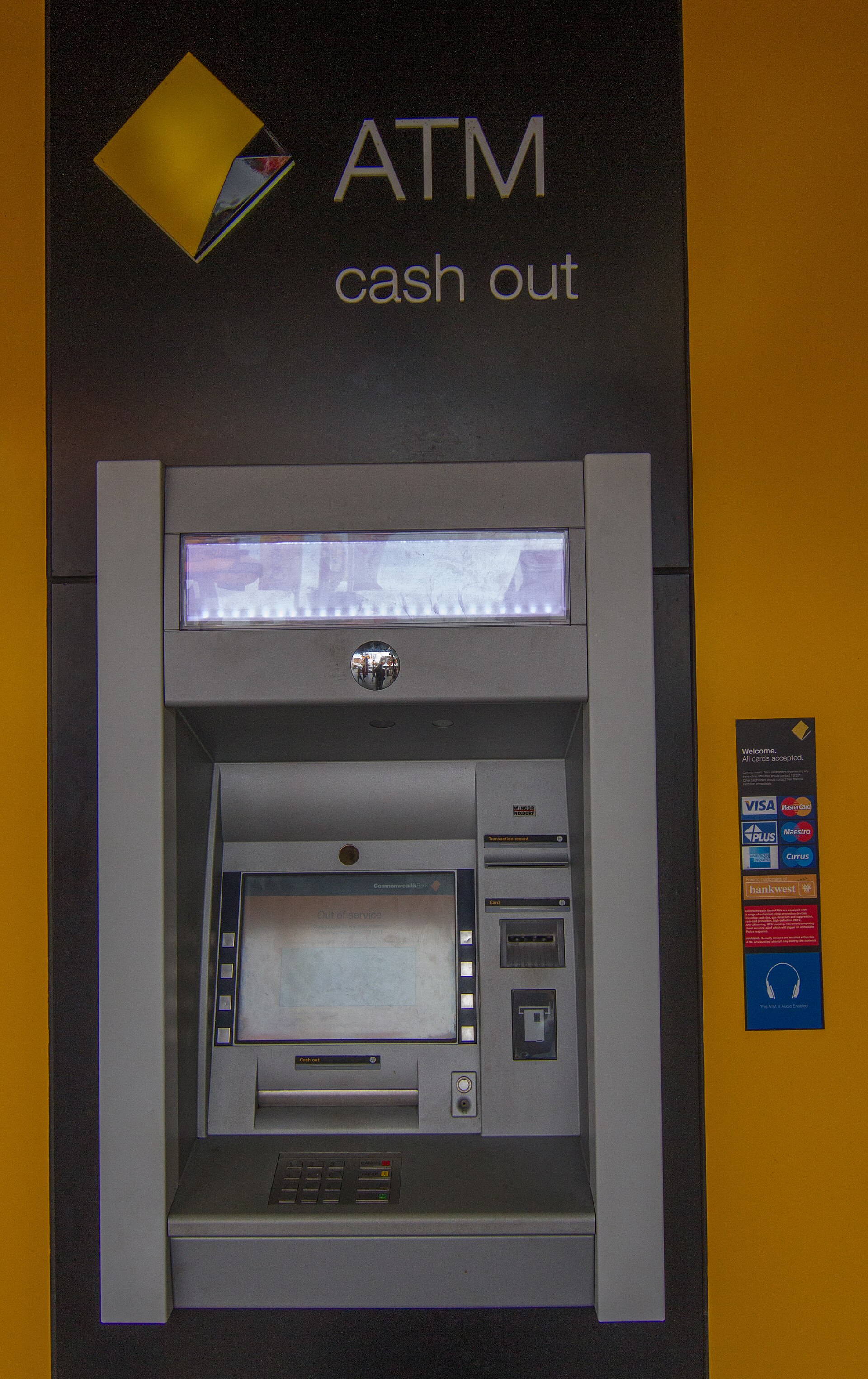
Using your own bank's ATM is free. Using another bank's ATM costs $2 AUD-3 per withdrawal. In Australia, many places (shops, bars, restaurants) let you pay by card without a minimum — just tap and go. Cash is rarely needed.
International Transfers
To receive money from overseas (like from family), you give them your BSB + Account Number. To send money overseas, use a service like Wise (formerly TransferWise) — much cheaper than bank fees. Banks charge $20 AUD-30 per transfer.
Tax File Number (TFN)
What a TFN is and why you need one
What is a TFN?
A Tax File Number (TFN) is your personal tax identification number in Australia. It's free to get and completely separate from your visa. You need a TFN to work legally, open a bank account with full features, and lodge a tax return.
Do I Need One?
Yes — if you work any job (even part-time), you legally need a TFN. If you don't have one, your employer deducts tax at the maximum rate (47%) instead of your actual rate. Getting a TFN takes the same rate down to your real bracket.
How to Apply
Apply online at the ATO website (ato.gov.au). You'll need your passport, visa, and an Australian address. Processing takes 2-4 weeks — apply as soon as you arrive. It's completely free and the ATO won't judge your visa status.
What Happens if You Don't Have One
If you work without a TFN, you'll pay more tax unnecessarily. You can claim it back at tax return time, but it's easier to just get the TFN upfront. Some employers might not hire you without a TFN.
Superannuation
Australia's retirement savings system explained simply
What is Super?
Superannuation (super) is a mandatory savings system — every employer must pay 11.5% of your salary into a super fund. This money is invested and grows over time. You can't access it until you retire (around age 60).
Why It Matters for You
Even if you only work part-time, you're entitled to super. Over a year of part-time work, this can add up to hundreds or thousands of dollars — money that stays yours and grows. Many students don't know about this and lose it.
Choosing a Super Fund
Your employer will ask you to choose a fund. You can pick any fund — popular ones for students include AustralianSuper, HESTA (health fund), Hostplus, and UniSuper (if you're a student). Some have low fees, some have good returns.
What to Do When You Leave Australia
When you leave Australia permanently, you can claim your super as a 'departing Australia super payment' (DASP) — but only if you're on an eligible visa and meet conditions. Some people lose their super because they don't know to claim it.
Low Fees Matter
Super funds charge annual fees. Even a 1% fee difference can cost you thousands over a few years. Use a comparison tool like 'Stack or SuperRatings' to compare funds. The fund your employer suggests isn't always the best.
Tax Return
Lodging your tax return — when, how, and why you might get money back
Do You Need to Lodge?
If you earned money in Australia, you may need to lodge a tax return — even if you earned below the tax-free threshold ($18,200 AUD per year). The ATO will tell you if you need to. Not lodging when you should can result in fines.
How It Works
Each financial year runs July 1 to June 30. You lodge your tax return between July 1 and October 31. If you had tax withheld from your pay and earned below $18,200 AUD, you'll likely get a full refund. Most students get money back.
Using a Tax Agent
Many students use a tax agent (like H&R Block or a local accountant). They charge $80 AUD-150 but often find deductions you missed. First year in Australia — worth using one to learn how the system works. After that, you can do it yourself online for free via myTax on the ATO website.
Deductions You Can Claim
As a student working part-time, you can claim: work-related travel (if not reimbursed), self-education costs (if work-related), protective clothing/equipment, and union fees. Keep receipts! If you worked from home, you can claim a portion of electricity and internet.
Centrelink
Government payments and what international students can access
What is Centrelink?
Centrelink is part of Services Australia — it administers government payments. Payments include JobSeeker (unemployment), Youth Allowance, Austudy (students), Family Tax Benefit, and more.
Can International Students Access It?
Most international students on student visas are NOT eligible for Centrelink payments — this is a condition of your visa (8501 No Assets condition). However, you can still use Centrelink for queries about your visa conditions if needed.
Medicare and Centrelink
If you're from a country with a reciprocal healthcare agreement with Australia (UK, Ireland, Sweden, Netherlands, Finland, Norway, Malta, Italy, Belgium, Slovenia, New Zealand), you can access Medicare. Centrelink manages some Medicare related services.
Cost of Living Tips
Stretch your budget in Australia
Weekly Budget Estimate
As a student in Sydney, expect to spend $300 AUD-500 per week on basics (rent, food, transport, phone). Rent alone is $180 AUD-300 depending on location and sharing. This varies a lot — regional areas are much cheaper than Sydney.
Save on Groceries
Coles and Woolworths are the big two chains. ALDI is cheaper for most staples. Use the 'Down Down' app (Coles) or 'Woolworths Discovery' to check prices. Buy generic/store brands — same quality, 30% cheaper. Shop at closing time for discounted cooked chicken and bakery items.
Student Discounts
Always ask: 'Do you do student discounts?' Many places offer 10-15% off with a valid student ID. This includes some restaurants, cinemas (Hoyts/Westworld), electronics stores, and software (Apple, Microsoft, Adobe all offer education pricing).
Cheap Eats
Sydney has great cheap food. Korean BBQ around Eastwood/Strathfield is affordable. Food courts in Westfield/Chinatown have meals for $10 AUD-15. Learn to cook — beans, rice, eggs, and frozen veggies can feed you for under $40 AUD/week.
Transportation Savings
Get an Opal card for public transport — always cheaper than paying cash. If you're a full-time student, you can get a Concession Opal card (half price). Work out if a monthly pass is worth it vs pay-as-you-go. Ferries are gorgeous and sometimes the cheapest option!
Official resources
For official tax and super info.
ATO (Australian Taxation Office) and Services Australia are the two official sources. Their websites have plain-English guides, downloadable forms, and calculators. Most questions can be answered by a 5-minute site search.
Keep reading
Related guides
Cost of Living in Sydney
Rent, food, transport, bills — real prices updated for 2026.
Read guide →Renting in Australia
Lease, bond, flatmates — and how your TFN ties into rental applications.
Read guide →Visa Guide
Tax residency changes by visa type. Pick the right one before you file.
Read guide →Workplace rights
Award wages, payslips, super contributions — your employer has obligations.
Read guide →