Loading...
Sport
Sport in Australia
Everything you need to know about following and playing sport — NRL, AFL, cricket, and more.
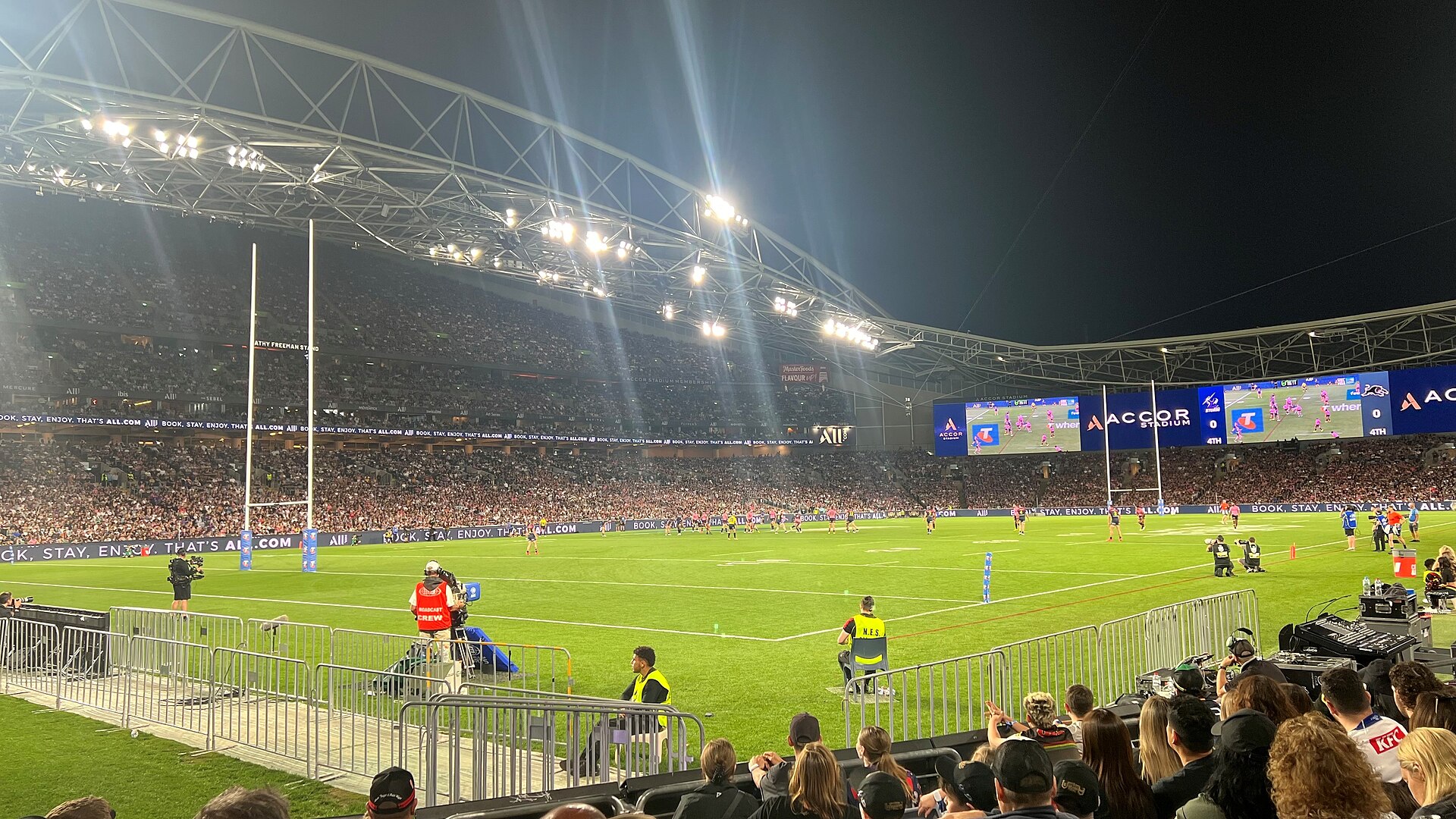
The Big 3 Codes
NRL (Rugby League), AFL (Aussie Rules), and Rugby Union — the sports that define Australian culture
NRL — National Rugby League
NRL is Sydney's heartbeat. A 17-team competition (9 based in NSW, 3 in QLD, plus others) running March to October. Grand Final is an unofficial national holiday in NSW. Key teams: Penrith Panthers, South Sydney Rabbitohs, Sydney Roosters, Parramatta Eels, Wests Tigers (Michael's team!), Brisbane Broncos, Melbourne Storm. Tickets from ~$25 AUD at Ticketek or the team websites. The rivalries are fierce and the atmosphere is incredible — especially for a local derby.
AFL — Australian Rules Football
AFL is the nation's most-watched sport. 18 teams from all over Australia compete in a fast, high-scoring game played on an oval ball. The season runs March-September with the Grand Final in September/October. Sydney has two teams: Sydney Swans (based at the SCG in Moore Park) and Greater Western Sydney Giants (GIANTS Stadium at Homebush). The Swans have a huge following — if they make the Grand Final, the city stops. Tickets from ~$30 AUD at Ticketmaster.
Rugby Union
Rugby Union is more niche but has a loyal following. The national competition is Super Rugby (12 teams from NZ, Australia, Argentina, South Africa). NSW Waratahs play out of Sydney Football Stadium (Allianz Stadium) at Moore Park. International matches (Wallabies) are played at ANZ Stadium or the SCG. International Rugby (Test) matches against New Zealand (All Blacks) or South Africa (Springboks) are incredible events — the atmosphere rivals anything in the world. Tickets from ~$40 AUD.
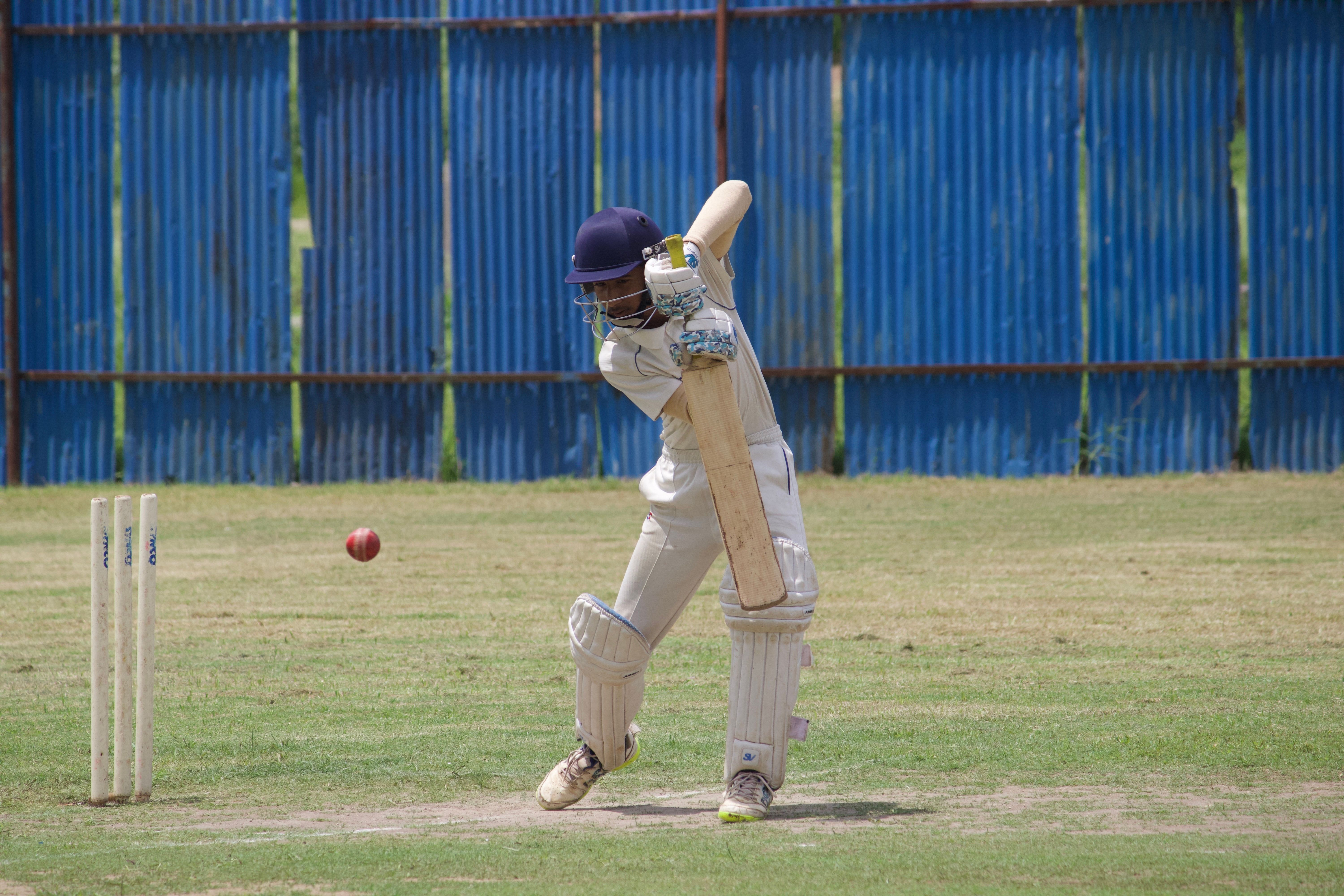
Cricket
Australia's national summer sport — Test matches, BBL, and the Ashes
International Cricket (Tests & ODIs)
Cricket is Australia's national sport played mainly in summer (November to March). The Australian men's team (the Baggy Greens) is one of the best in the world. Big rivalries: Australia vs England (The Ashes — held every 2 years, alternating between the two countries), Australia vs India, Australia vs South Africa. Test matches at the SCG or Manuka Oval in Canberra can run for 5 days. Tickets from ~$40 AUD.
BBL — Big Bash League
The BBL is the domestic T20 (short-format) league running December to January — perfect for summer evenings. 8 city-based teams play 20-over matches in 3 hours. Sydney Sixers and Sydney Thunder are the local teams. The atmosphere is very family-friendly and entertainment-focused, with fireworks, music, and fun promotions. Tickets from ~$25 AUD at Ticketek. The playoffs and final (usually mid-February) sell out fast.
Watching Cricket in Sydney
The two main cricket grounds in Sydney: SCG (Sydney Cricket Ground, Moore Park — capacity 48,000) and Manuka Oval (Canberra, 1 hour away — used for Tests when the SCG is booked). For BBL, all matches are in Sydney suburban stadiums. Pack sunscreen, a hat, and food — stadium food is expensive. You can bring your own food and drinks (no glass bottles). Opal card covers trains to the SCG on match days.
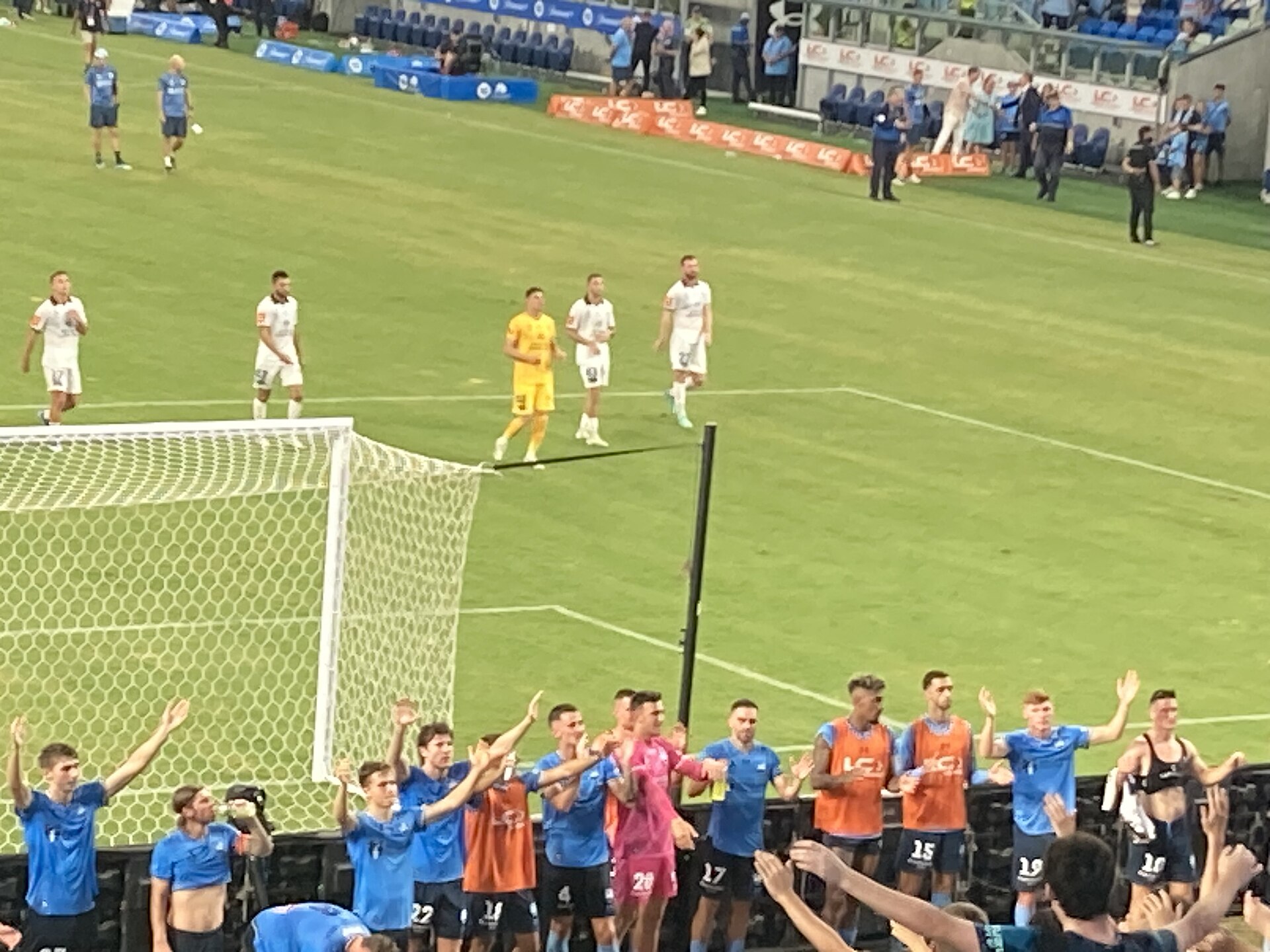
Soccer (Football)
A-League, Matildas, and why soccer is booming in Australia
A-League (Men's)
The A-League runs October to May with 12 teams. Sydney FC, Western Sydney Wanderers, Newcastle Jets, and Macarthur FC are the NSW clubs. The Sydney Derby (Sydney FC vs Western Sydney Wanderers) is one of the most intense rivalries in Australian sport — absolutely electric atmosphere. Melbourne Victory vs Sydney FC is another huge fixture. Tickets from ~$30 AUD at Ticketek.
Matildas (Women's National Team)
Australia's women's national football team (the Matildas) has become one of the most beloved teams in the country, especially after their 2023 FIFA Women's World Cup performance (held in Australia/New Zealand). Sam Kerr is the star player. They play home matches at various stadiums including ANZ Stadium, Marvel Stadium (Melbourne), and Suncorp Stadium (Brisbane). When they play in Sydney, tickets sell out fast — get them early.
Why Soccer is Growing
Soccer is the most popular participatory sport in Australia — more kids play soccer than any other sport. It's also huge among international students and migrants from Europe, South America, Africa, and Asia. Community clubs are everywhere and are a great way to make friends and stay fit. Coaching is usually done by parent volunteers. You can find a club near you at playfootball.com.au.
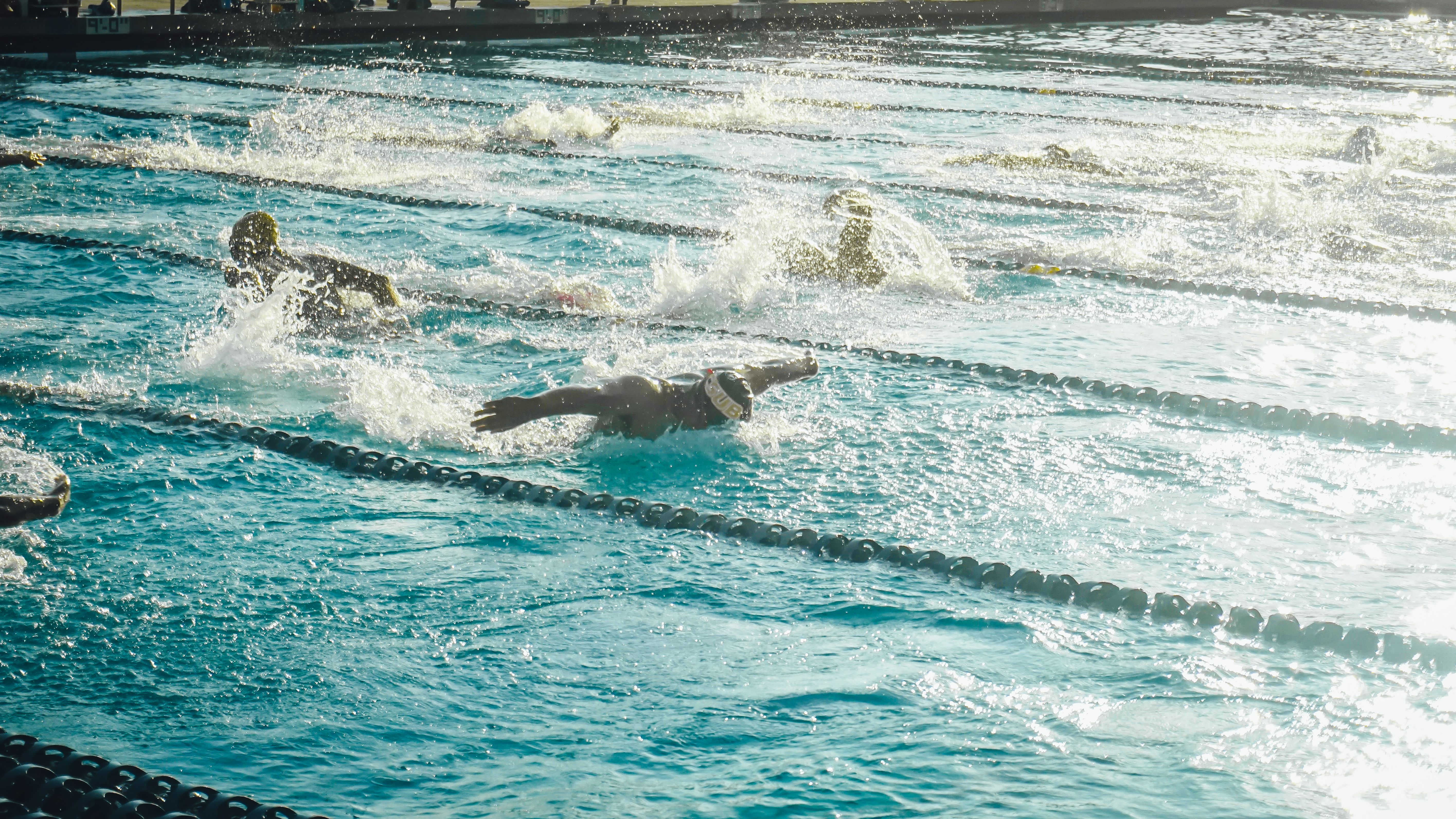
Other Popular Sports
Swimming, tennis, golf, and Australia's fitness culture
Swimming
Australians are obsessed with swimming — we produce world-class swimmers. Olympic-standard pools are available across Sydney (Sydney Olympic Park Aquatic Centre, Cook+Philip Park, Laurentian). Summer means ocean swims and beach sprints — Bondi Icebergs swim club runs year-round in the frozen ocean pool at Bondi. You don't have to be fast; it's about being there. Junior swimming lessons start from ~$15 AUD/week at local council pools.
Tennis
The Australian Open in Melbourne (January) is one of the four Grand Slam tournaments and draws huge crowds. It's also the most accessible Grand Slam — grounds passes start around $50 AUD, and you can watch multiple matches simultaneously on outer courts. Sydney hosts the Sydney Tennis International (ATP/WTA) in January at the Sydney Olympic Park Tennis Centre. Public tennis courts are available in most parks — book via Inner West Council or your local council website for ~$15-$20 AUD/hour.
Fitness Culture & Gyms
Australians are genuinely fitness-obsessed. Anytime Fitness (24/7, ~$15 AUD/week), F45 (functional training, ~$60 AUD/week), and Genesis (upmarket) are the main chains. Most suburbs have a local gym. Gym memberships are cheaper than in Korea — most start around $10-$15 AUD/week with no lock-in contracts. Many people use their commute time to exercise. Running is huge — the City2Sydney run (10km, August) and Sydney Marathon (September) are popular events.
Sports Betting Culture
Sports betting is everywhere in Australia — what international students need to know
Why It's So Prevalent
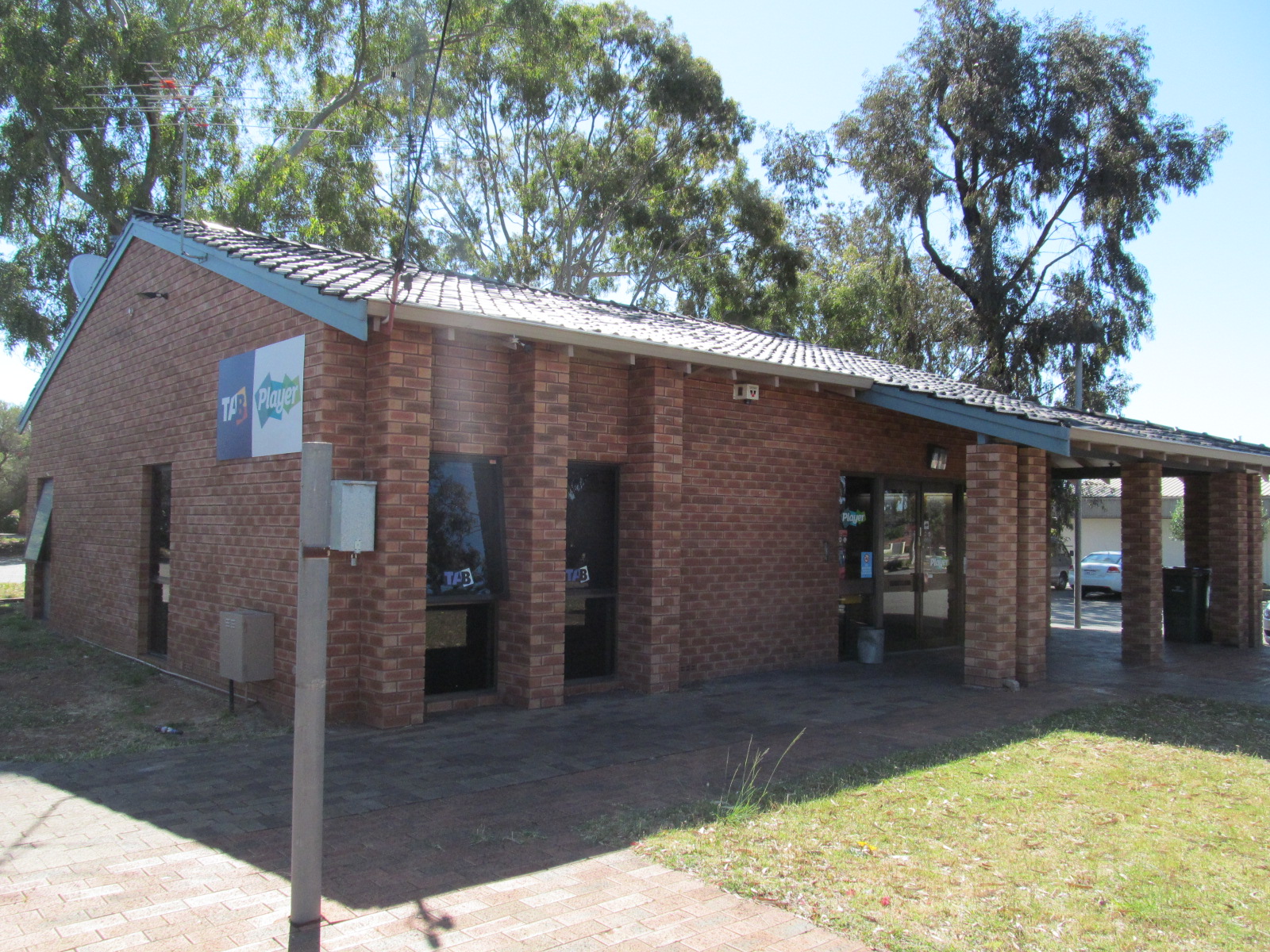
Sports betting is advertised constantly during TV broadcasts — every ad break during a footy game seems to have a betting ad. Australia has some of the most liberal gambling laws in the world. The TAB (Totalisator Agency Board) was government-owned but most betting is now done through corporate bookmakers (Sportsbet, Bet365, Ladbrokes, PointsBet). This is a significant social issue in Australia — problem gambling affects ~1% of adults but the harm extends to families and communities.
International Students — AVOID
Sports betting is illegal or heavily restricted in many countries including South Korea. Even if legal in Australia, participating in sports betting as an international student can: violate your student visa conditions (check your specific visa subclass), lead to significant financial harm, result in addiction that affects your studies and wellbeing. If gambling is legal in your home country and you were already gambling before arriving, you are still strongly encouraged to avoid it while on a student visa. Australia has one of the highest gambling participation rates in the world — it is not normal and it causes real harm.
Getting Help
If you or someone you know is struggling with gambling, free and confidential help is available: Gambling Help Online (gamblinghelponline.org.au, 1800 858 858). These services are available in multiple languages including Korean. You can also speak to a counsellor at your university. Many universities have free confidential counselling services. Speaking up early makes a huge difference.
Find a club
The best way to feel at home.
Joining a local sports club is the fastest way to meet people, learn the culture, and feel at home. Most clubs welcome beginners and international members. Find a junior soccer club, a cricket team, or a swim squad near you.