Loading...
Transport
Getting around
Opal cards, trains, buses, ferries — Sydney's transport, decoded.
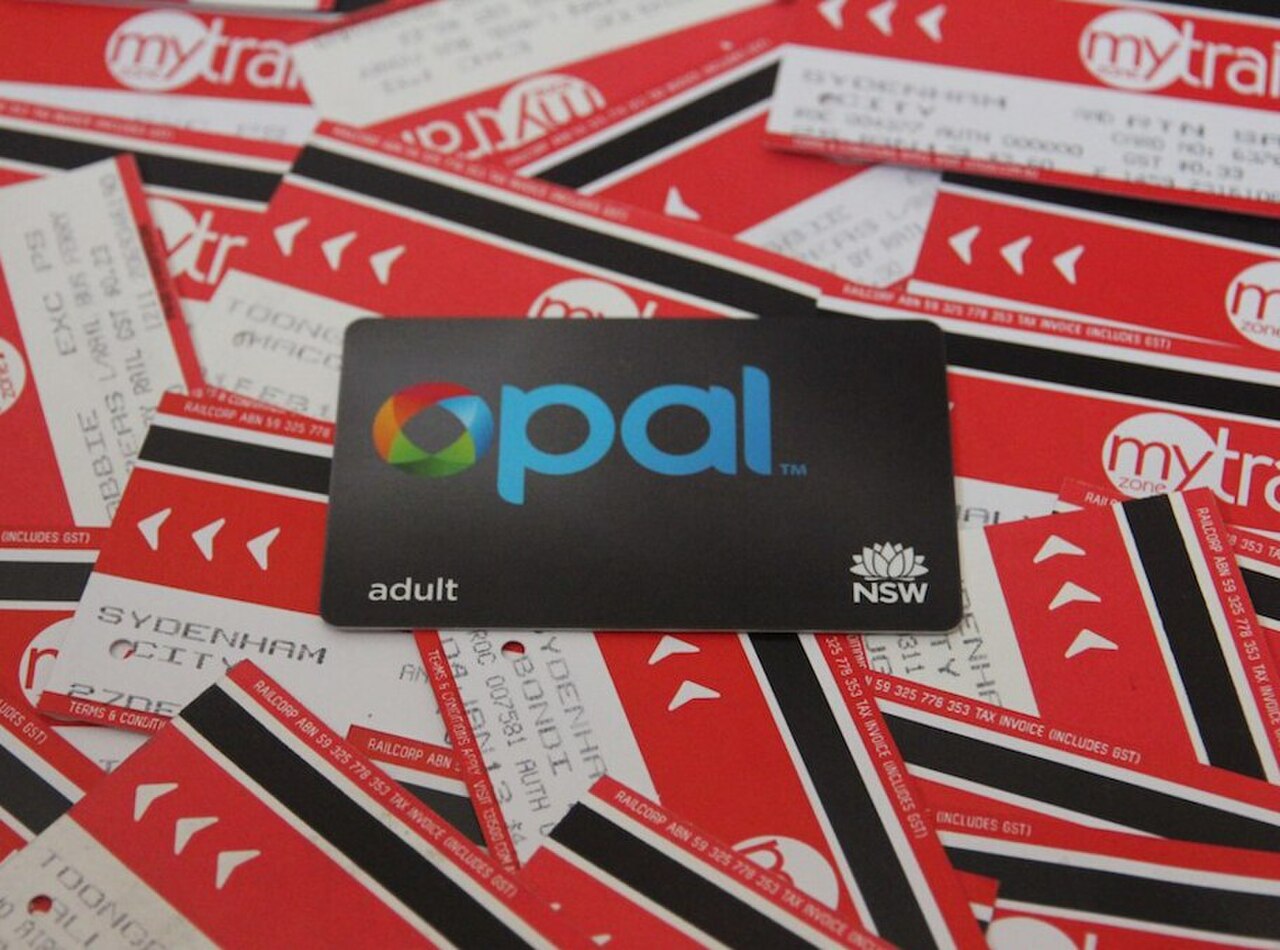
Opal Card
Sydney's public transport card — how to get one and use it
What is Opal?
Opal is the contactless card you use for buses, trains, ferries, and light rail in Sydney and NSW. You tap on and tap off at every journey. It saves you money — cash fares are almost double Opal prices.
Adult vs Concession
There are two Opal types: Adult (full price) and Concession (half price for full-time students, seniors, pensioners). If you're a full-time student, apply for a Concession Opal card — you need your student ID and a passport photo.
How to Get One
Buy an Opal card at any train station, 7-Eleven, or newsagent. For a Concession card, you'll need to register online at opal.com.au — it takes 4-6 weeks to arrive by mail. Keep your student status updated — cards can be cancelled if you're no longer a student.
Daily Cap
Opal has a daily cap — you can't be charged more than a certain amount per day. For Adult Opal in Sydney, the cap is around $16 AUD-18/day (train, bus, ferry, light rail combined). Concession cards have lower caps. Weekly caps also apply after 8 journeys.
Auto-reload
Set up auto-reload so you never run out of balance. When your balance drops below $10 AUD, it automatically tops up from your credit/debit card. You can also tap your card at partner shops (Coles, Newsagents) to reload in person.
Transferring Between Modes
One of Opal's best features: you can transfer between bus, train, ferry, and light rail within 60 minutes and only pay one fare (the highest mode). You must tap off each time and tap on the next mode. The system caps the total cost.
_at_Sydney_Central_Station.jpg)
Sydney Trains
How the train system works
Train Network Basics
Sydney has a suburban train network (Sydney Trains) with lines covering the city, eastern suburbs, inner west, North Shore, and outer areas. Trains run from about 4am to midnight every day. On Friday and Saturday nights, some lines run 24 hours.
Zones and Fares
Sydney is divided into zones 1-3. Most of what you need (CBD, Bondi, Manly, Parramatta) is in Zone 1 or 2. Opal calculates your fare based on zones travelled. Don't tap off at Circular Quay if you're heading to the Opera House — take the ferry instead (it's free with your Opal within the harbour).
Reading Timetables
Most trains run every 5-15 minutes during peak hours (6-9am, 4-7pm). Off-peak, it can be every 20-30 minutes. Use the Trip Planner app or Google Maps — real-time updates are available. The T1 North Shore line is the busiest. Always check the platform boards at the station — last-minute platform changes and cancellations don't always reach the printed timetable or even the apps.
Airport Link
The Airport line (T8) costs extra — about $20 AUD-25 for a single trip from the airport. Don't take the train if you're on a budget — the 400 bus from the airport terminals costs about $3 AUD and takes a bit longer. If your accommodation is near Central or Redfern, it's often walkable.
Buses & Ferries
The bus network and the most scenic transport in Sydney
Bus Network
Sydney Buses covers the whole city and most suburbs. Most routes run from 5am to midnight, with Nightride services covering major routes 24/7. Use Google Maps or the Trip Planner app for real-time tracking. Buses are usually the cheapest way to get around if you don't live near a train station.
Light Rail (L1, L2, L3)
Sydney's light rail serves the CBD, inner west (L1), and the eastern suburbs to Kingsford (L2) and Juniors Kingsford (L3). Great for getting around Surry Hills, Pyrmont, and the inner west. Same Opal card, same caps as buses and trains.
Sydney Ferries
Sydney Ferries is one of the most scenic transport networks in the world. The F1 from Circular Quay to Manly (30 min, ~$7.20 AUD) is a must-do. The F2 to Taronga Zoo, F4 to Pyrmont, and F5 to Neutral Bay are all gorgeous. All use the same Opal card. Ferries within the harbour are surprisingly cheap — often cheaper than a bus for the same distance.
Cycling & Walking
Active transport in Sydney
Cycling in Sydney
Sydney has a growing network of bike paths. The CBD to inner west has separated lanes on many roads. Bike share schemes (oBike, Lime) operate in some areas. Helmets are mandatory — fines apply for riding without one. Sydney's hilly in places — be prepared for climbs!
Walking Distances
Sydney's CBD is compact and walkable. The Rocks to Circular Quay is 10 minutes. Darling Harbour to Barangaroo is 15 minutes. Most inner-city suburbs (Surry Hills, Newtown, Glebe) are easily explored on foot. Wear comfortable shoes and bring water in summer.
Regional & Interstate
Getting out of Sydney
Trains to Other Cities
NSW TrainLink runs services to regional NSW and interstate. Sydney to Melbourne: ~11 hours on the Spirit of XPT. Sydney to Brisbane: ~14 hours. Sydney to Canberra: ~4 hours. Book in advance for cheaper fares. Sleeper berths available on some long-distance services.
Domestic Flights
Sydney Airport (SYD) has direct flights to all major Australian cities. Melbourne is 1h 15min, Brisbane is 1h 30min, Perth is 5h, Darwin is 4h 30min. Budget airlines: Jetstar, Tigerair (now part of Virgin), Bonza. Compare on Google Flights or Skyscanner. Book 6-8 weeks ahead for the best prices.
Interstate Buses
Greyhound and Murrays are the two main interstate bus operators. Cheaper than trains and planes but slower. Sydney to Melbourne: ~11 hours. Sydney to Brisbane: ~12 hours. Useful for backpackers and budget travellers. Book online for cheaper fares.
Trip planner
Real-time updates at your fingertips.
Google Maps and the Trip Planner app both show live train, bus, and ferry times. Tap your destination, choose Transit, and follow the directions. Real-time platform numbers and service alerts are built in.
Keep reading