Loading...
Adventure
Get out and go
From coastal cliff walks two hours from Sydney to Australia's highest peak in the Snowies. Hiking, mountain biking, ocean swims, and the kind of outdoors that makes the harbour city feel bigger than its bridges.
Blue Mountains day hikes
World Heritage bushwalks within 2 hours of Sydney
The Three Sisters Walk
Easy 1km flat walk from Katoomba Station to Echo Point. The most iconic Blue Mountains view — the three sandstone pillars at sunrise are unforgettable. Wheelchair-accessible. Free. Go early (before 9am) to beat the tour bus crowds.
Wentworth Falls Loop
Moderate 3km loop past three lookouts and the base of the falls. Allow 2 hours. The National Pass section cuts along the cliff face — stunning but has steep stairs. Bring water and a light jacket for the spray at the base.
Grand Canyon Track
6km loop through ancient rainforest, past waterfalls and under cliff overhangs. 3-4 hours. Steep stairs in places — proper hiking shoes required. Start from Evans Lookout. The fern-covered walls and trickling creeks make it feel like a different world.
Lockleys Pylon Walk
A quieter alternative to the Three Sisters — 5km return from the Nepean Lookout carpark with panoramic views across the Megalong Valley. Less crowded than Echo Point and the valley views are just as spectacular. Allow 2-3 hours. The track is well-graded but narrow in sections.
Coastal cliff walks
Sydney's harbour and coastline from above
Bondi to Coogee Walk
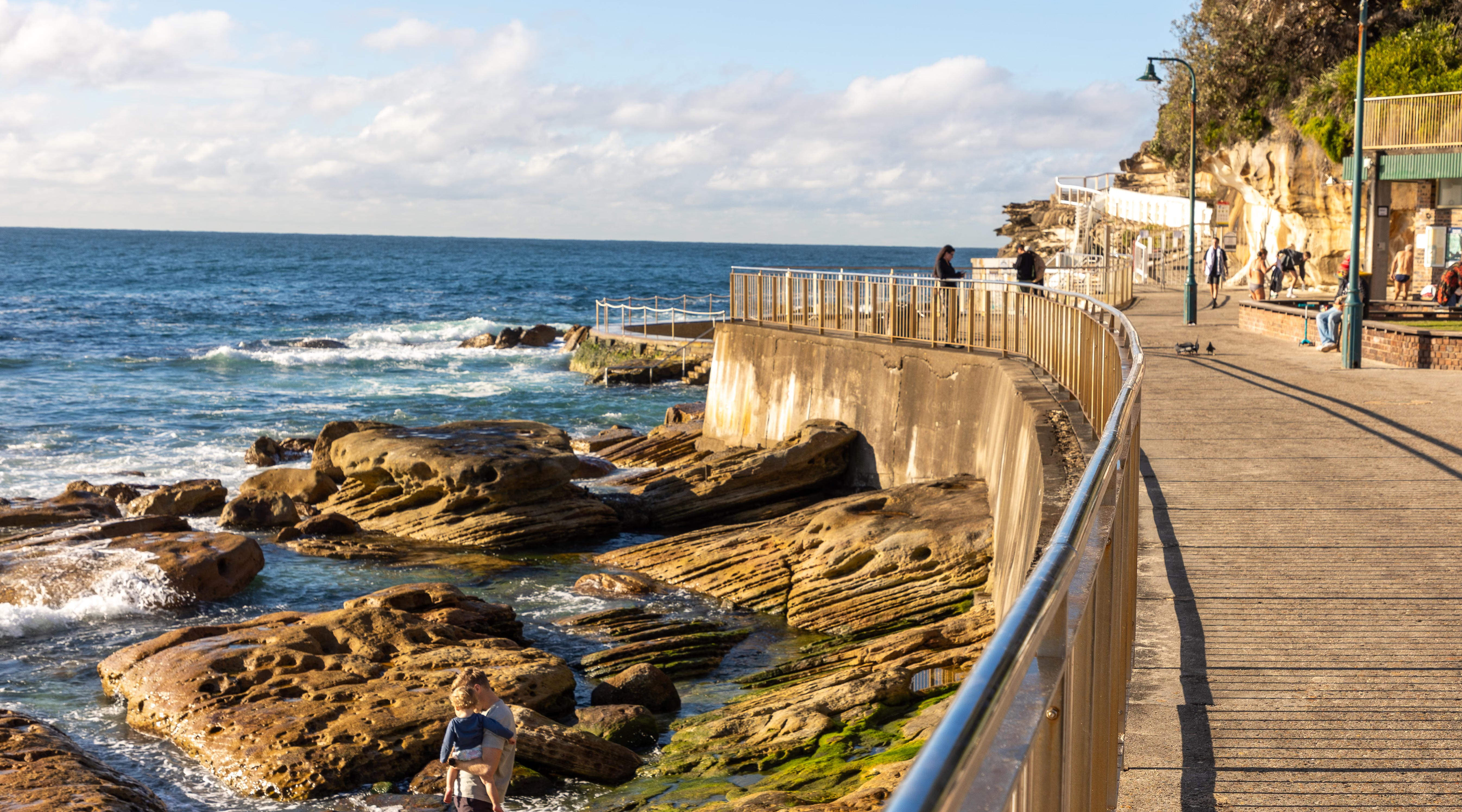
The classic 6km coastal walk. Takes 2 hours one way, passing Tamarama, Bronte, and Clovelly beaches. Lots of cafes, ocean pools, and photo stops. Do it early morning (before 8am) to avoid the heat and crowds — the light over the ocean at that hour is worth the early alarm.
Manly to Spit Walk
10km through Sydney Harbour National Park on the north shore. 3-4 hours. Quietest on weekdays — you'll pass secluded beaches, Aboriginal rock engravings at Grotto Point, and gorgeous harbour views. End with fish and chips at the Spit Bridge kiosk. Bring more water than you think — there are no shops along the way.
Coogee to Maroubra
A quieter alternative to the Bondi-Coogee walk. 4km one way past Mahon Pool, Lurline Bay, the historic Deserted Beach club, and the dramatic Maroubra headland. The Maroubra rock platform at the end is excellent for gentle body surfing (swim between the flags).
Royal National Park
Australia's oldest national park — coastal cliffs and hidden beaches
Coast Track (overnight)
A 26km multi-day walk along dramatic sandstone cliffs, through pockets of rainforest, and past empty beaches. The full track takes 2 days with camping at North Era. Highlights: the Figure Eight Pools (check tides!), Eagle Rock, and the view from Big Marley Hill. Book camping permits online before you go.
Wattamolla Beach & lagoon
A beautiful beach with a protected lagoon fed by a waterfall — one of the safest swimming spots in the park. The waterfall pool is perfect for families. Walk across the sand to the ocean beach beyond. Park entry ~$12 per vehicle. Gets busy on summer weekends — arrive by 9am or go on a weekday.
Bundeena to Wedding Cake Rock
An easy 4km return walk from Bundeena village to the iconic Wedding Cake Rock — a white sandstone formation on the edge of the cliff. The rock itself is fenced off (it's unstable and sections have collapsed), but the coastal views from the nearby lookouts are spectacular. Combine with lunch at the Bundeena Ferry wharf cafes.
Snowy Mountains in summer
5+ hours from Sydney — worth the drive for hiking and mountain biking
Mount Kosciuszko Summit Walk
Australia's highest peak (2,228m). The easiest route is 13km return from Thredbo top station — a metal walkway that's manageable for anyone with reasonable fitness. 4-5 hours. The summit is above the treeline — bring layers even in summer, it can be 10°C cooler than the valley.
Thredbo Mountain Biking
Chairlift-served downhill mountain biking trails — from flowy green runs to black diamond single-track. Bike and armour hire available on-site. The scenic chairlift ride up ($36 AUD) is worth it even if you're not riding — the views over the Snowy River valley are stunning in summer.
Yarrangobilly Caves & thermal pool
A 30-minute drive from Kiandra — limestone caves (guided tours from $25 AUD) and a natural thermal pool that stays 27°C year-round. The pool is a 30-minute walk downhill from the carpark. Free entry. The cave tours are small groups and fill up on weekends — book ahead on the NSW National Parks website.
Adventure safety
Come back in one piece
Australia's outdoors is beautiful and dangerous in equal measure. Take these seriously.
Australian sun is no joke
UV index regularly hits 11+ (Extreme) in summer. Apply SPF 50+ 20 minutes before going out and reapply every 2 hours. Bring 1L of water per person, per hour of activity. Wear a wide-brim hat and polarised sunglasses.
Tell someone where you're going
Always tell a friend or leave a note with your planned route and return time. Most rescues in NSW national parks start because no one knew the walker was overdue. Carry a charged phone and a personal locator beacon for remote areas.
Check conditions before you go
NSW National Parks publishes track alerts (closures, hazards, weather). Bushwalkers should always check the alerts page for their chosen park the morning of. Bushfire risk in summer can close entire parks without notice.
Stick to marked trails
Especially on coastal walks, the edge can be unstable. Stay on the path, watch children and dogs, and don't go past barriers. If the track is closed, the reason is usually 'someone died here recently'.
Packing list
What to bring on a day hike
Skip the heavy backpack — most day walks in NSW need less than you think, but the essentials matter.
1L+ water per person
SPF 50+ sunscreen + reapply
Wide-brim hat
Polarised sunglasses
Proper hiking shoes (not joggers)
Light rain jacket (weather changes fast)
Snacks + lunch for full-day walks
Charged phone + power bank
First-aid basics
Headlamp (in case you're out late)
Emergency
If something goes wrong.
Call 000 for police, fire, or ambulance. For bushwalkers, NSW Police Rescue and SES (State Emergency Service) handle land searches. Download the Emergency+ app before you go — it shares your exact GPS location with 000 dispatchers. For non-urgent help, contact the relevant NSW National Parks office.