Loading...
← All destinations
Hunter Region, NSW
Newcastle
The harbour city two hours north, and the beaches are the reason
About this place
Last updated: 15/10/2026
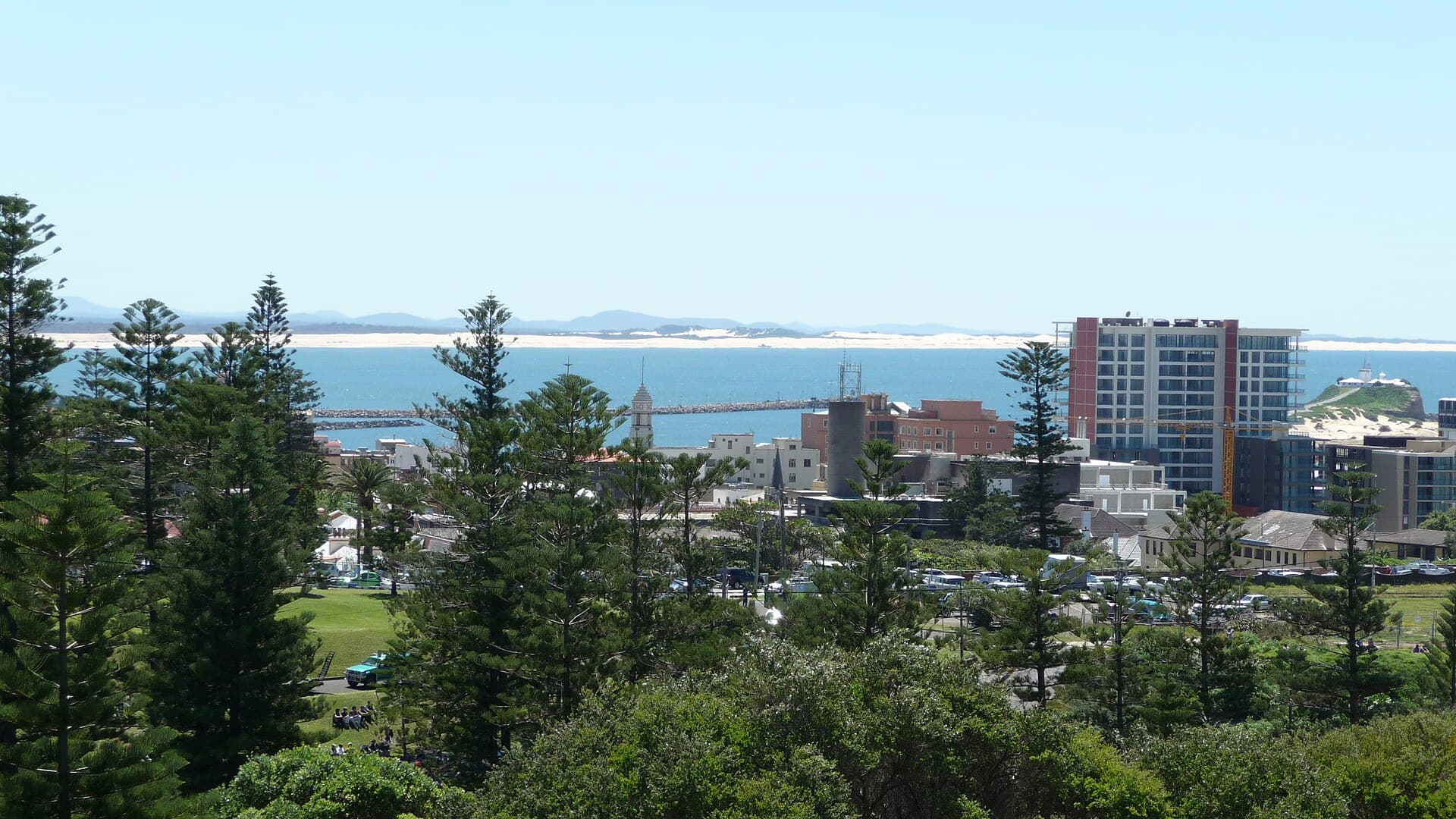
Newcastle is one of Australia's oldest cities and the one place north of Sydney where the coastline alone justifies the train ride: a working harbour on one side of the peninsula, surf beaches down the other, and a compact centre you can cross on foot.
The heavy rail line into the middle of town was cut back in 2014 and replaced by a light rail, which is why a train from Sydney now ends at Newcastle Interchange in Wickham rather than at the old city station - and why the last two kilometres into town are a tram ride, not a walk.
From the beach end of that line everything is close: Newcastle Beach and the Anzac Memorial Walk at the east end, Nobbys Beach and its breakwall under the lighthouse, the convict-carved Bogey Hole, Fort Scratchley on the headland, and the clifftop path south towards Merewether and its ocean baths.
It works as a long day trip and better as a weekend, with the Hunter Valley wineries and Port Stephens both about an hour away for anyone chaining a longer trip.
Highlights
Newcastle Beach and the Anzac Memorial Walk
Merewether Beach and its ocean baths
Fort Scratchley and the Nobbys breakwall
Honeysuckle's harbour foreshore and Darby Street
Attractions
What to see, how long to spend, and roughly what it costs.
Newcastle Beach and the ocean baths
Half a dayFree to use the beach; check the current entry details and opening status for the baths.
The city's main surf beach, at the eastern end of the light rail line and the start of the Anzac Memorial Walk. Newcastle Ocean Baths sits at the southern end of the beach: an Art Deco pavilion opened in 1922 and one of the city's landmarks, but the baths themselves are closed for refurbishment, so check the current status before you plan a swim here.
Merewether Beach and Merewether Ocean Baths
Half a day with the walkFree
The long surf beach south of the city, walked to along the cliffs or reached by bus. Merewether Ocean Baths at its southern end opened in 1935, are the largest ocean baths in the Southern Hemisphere and are free to swim in, open year round apart from scheduled cleaning days - check the council's schedule before you go, because they close all day on those days.
Fort Scratchley
1-2 hoursCheck current entry and tour prices with Fort Scratchley before you go.
The nineteenth-century fort on the headland between Newcastle Beach and Nobbys Beach, built to defend the harbour entrance and now a museum with the gun emplacements and the tunnels still in place.
It is the fort that returned fire when a Japanese submarine shelled Newcastle in 1942. The headland also gives you the best free view back over the harbour and up the coast.
The Bogey Hole
30 minutesFree
A small ocean pool cut out of the rock below King Edward Park by convict labour in the early 1800s, for the use of the commandant, and still a local swimming spot two centuries later.
It is unpatrolled and only workable in calm, flat seas - the swell washes straight through it - and the path down from the park is steep.
The Anzac Memorial Walk
1-2 hoursFree
A short elevated walkway along the cliff tops between Newcastle Beach and Strzelecki Lookout, opened in 2015 for the Anzac centenary, with steel arch ribs and memorial plaques and a long view down the coast.
The clifftop path continues south through King Edward Park towards Merewether, and the whole coastal route from Nobbys to Merewether is the walk locals actually do.
Honeysuckle, the harbour and Newcastle Museum
1-2 hours, plus a mealFree general admission; check current details for ticketed exhibitions.
The harbour side of the peninsula, where the old railway land between the Civic stop and the water has become a waterfront promenade of restaurants and bars looking across to the working port and the coal loaders.
Newcastle Museum is a few minutes away at Honeysuckle and covers the BHP steelworks years, the 1989 earthquake and the harbour's history - a good wet-weather hour indoors.
How to get there
By train, and the station you actually want. The Central Coast & Newcastle Line runs from Sydney Central through Hornsby and Gosford to Newcastle Interchange, taking roughly 2 hours 40 minutes: about every 30 minutes on weekdays, thinning to roughly hourly at weekends.
Newcastle Interchange is the end of the line, in Wickham on the north-western edge of the city centre - it is not the old Newcastle station in the middle of town, which closed in December 2014 when the heavy rail line was cut back.
Tap on with an Opal card or any contactless card; there are no paper tickets and nothing to book. Journey times vary more than the timetable's clock-face pattern suggests - a later departure can overtake an earlier one - so check the specific service rather than assuming they are equal.
From the Interchange into town, and why the light rail matters. Newcastle Interchange is a hub a couple of kilometres from the beach, so you do not walk out of the station into town.
The light rail runs from Newcastle Interchange to Newcastle Beach through six stops - Newcastle Interchange, Honeysuckle, Civic, Crown Street, Queens Wharf and Newcastle Beach - as a turn-up-and-go service from 5am to 1am, seven days a week, about 12 minutes end to end.
It is a normal paid service rather than a free city shuttle: you tap on and tap off at the platform with an Opal card or a contactless card, standard Opal fares apply, and there is no free fare zone on the tram.
Tapping off a train and onto the light rail within 60 minutes earns the Opal transfer discount, and more than one tram trip within 60 minutes counts as a single fare.
Getting home again: check where the last train actually goes. The last weekday departure from Newcastle Interchange, around 23:31, runs only as far as Gosford - it is not a train to Sydney, so do not treat the last service on the board as your way home.
At weekends and on public holidays a 22:01 from the Interchange runs through to Sydney Central arriving about 01:01, and earlier evening weekend departures at 19:32 and 20:32 also reach Sydney, which is what makes dinner in Newcastle and a same-night return realistic.
Tap off properly at both ends: intercity journeys carry a six-hour maximum journey time.
By car. The M1 Pacific Motorway runs from Sydney's north to Newcastle in about 2 hours, a little over 160km, and it is the fastest option outside the peaks - Friday afternoon heading north and Sunday afternoon heading south are the times to avoid.
Parking is the city's weak point: the car parks near the beach and the foreshore are paid and fill early on summer weekends, and there is no cheap all-day option within walking distance of Newcastle Beach.
Between the parking and the traffic, the train plus the light rail is often the quicker way in and the better one if you are only staying a day or two.
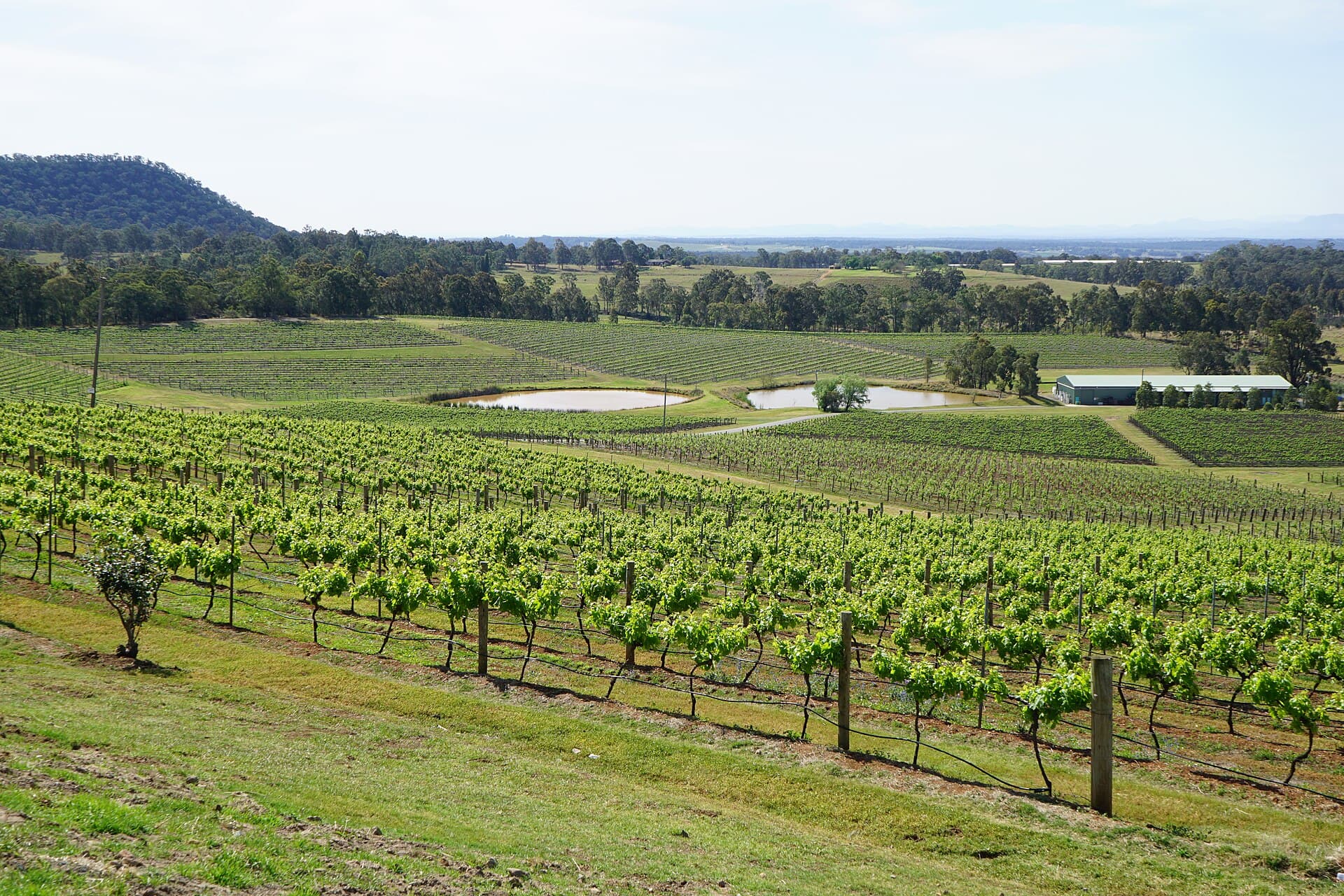
Chaining it: the Hunter Valley and Port Stephens. Newcastle is the natural base for the Hunter Valley, about an hour inland by car, and for Port Stephens about an hour north - both are awkward without your own transport.
The Hunter Line runs from Newcastle Interchange to Maitland and on towards Scone and Dungog, so a winery day by rail is possible as far as Maitland with a taxi or a tour for the last stretch, but there is no train into the vineyards themselves.
If the Hunter Valley or Port Stephens is the point of the trip rather than an add-on, plan them as separate days with a car or a tour instead of trying to bolt them onto a Newcastle day on public transport.
What the train does not do. Nothing else in Newcastle is on a rail line: Merewether, the harbour and the ocean baths are all reached on foot, by light rail or by bus.
The coastal walk from Nobbys to Merewether is the way to see the whole coastline without a car, and the city centre itself - the light rail corridor between the harbour and the beach - is comfortably walkable end to end.
Best time to visit
Summer (December to February): This is beach season and the reason most people come, with warm water and long days. It is also the busiest and hottest window, with heatwaves and the coastal walk better done early in the morning than at midday.
Swim where there are flags and lifeguards; the surf beaches here are open ocean and the rips are real. Merewether Ocean Baths are the calm-water option, and they are free.
Autumn (March to May): The best all-round window and the locals' pick. Daytime temperatures settle into the low twenties, the sea stays warm into April, the summer crowds go and the coastal walk is at its most comfortable.
This is also when the light on the cliffs is best for photographs, and accommodation is cheaper than in January.
Winter (June to August): The whale season is the reason to come, with humpbacks moving north through June and July; the cliff tops of the Anzac Memorial Walk and the lookouts around Newcastle are a good place to watch for them.
Days are cool rather than cold - Newcastle is warmer than Sydney's west in winter - but the wind coming off the ocean is sharp, so bring a layer for the walk. It is the cheapest season for accommodation.
Spring (September to November): The most variable season: warm days alternate with cold fronts and strong onshore wind, and the ocean is still cool in September.
It is a good time for the coastal walk and for the city rather than for swimming, and the wildflowers and whales are still around early in the season.
What actually decides the day, and what to check. Two things are beyond your control and worth checking the day before rather than the week before: the surf and the weather.
The Bogey Hole and the ocean baths are ruled by the sea - the Bogey Hole in particular is dangerous in any swell - and Newcastle Ocean Baths are closed for refurbishment, so Merewether is the ocean pool that is actually open.
Weekends also thin the trains to roughly hourly and the last weekday service home only reaches Gosford, so the return journey is as much a planning decision as the day itself.
Top things to do
1. Ride the light rail from Newcastle Interchange to Newcastle Beach
Six stops and about 12 minutes from the end of the train line to the sand, running from 5am to 1am every day. There are surfboard racks on board and the beach is the terminus, so it is the simplest transport decision on the trip.
2. Walk the Anzac Memorial Walk and on to Merewether
The steel-arched clifftop walkway above Newcastle Beach, opened for the Anzac centenary, and the coastal path that continues south through King Edward Park. The full run from Nobbys to Merewether is the best free thing to do in the city.
3. Swim at Merewether Ocean Baths
The largest ocean baths in the Southern Hemisphere, opened in 1935, free to use and open year round apart from scheduled cleaning days. Calm water, a long lap pool and the surf breaking over the wall beside you - and with Newcastle Ocean Baths closed for refurbishment, this is the one to go to.
4. Climb Fort Scratchley for the guns and the view
The old harbour fort on the headland between Newcastle Beach and Nobbys, with the gun emplacements and tunnels intact and the story of the 1942 shelling of the city by a Japanese submarine.
The headland gives you the best outlook over the harbour and back down the coast, and it costs nothing just to walk out to the point.
5. Swim in the Bogey Hole on a flat, calm day
A convict-cut pool in the rocks below King Edward Park, in use since the early 1800s and still filled by the tide. It is unpatrolled, the steps down are steep and swell washes straight through it, so go only when the sea is calm and low - otherwise look at it from the path above and swim at Merewether instead.
6. Eat along the Honeysuckle foreshore and Darby Street
The waterfront promenade between the Civic stop and the harbour is Newcastle's restaurant strip, looking across to the working port; Darby Street, a short walk inland from the beach end, is the city's cafe strip. Both are how the city eats rather than tourist set-pieces.
7. Finish at Nobbys Beach and the breakwall
The long, exposed beach under the lighthouse at the harbour mouth, with the two-kilometre breakwall running out beside it. It is the view that tells you where you are - the harbour on one side, the ocean on the other - and it is a ten-minute walk from the Newcastle Beach end.
Pro tips
The light rail is not free - tap on and tap off every time
Newcastle's light rail looks like a city-centre shuttle and is priced like ordinary public transport: Opal or contactless, tapped on at the platform, standard fares. There is no free fare zone on the tram.
Tap off your train and on within 60 minutes for the Opal transfer discount, and remember that more than one tram trip inside 60 minutes counts as the one fare.
Newcastle Ocean Baths are closed for refurbishment - go to Merewether instead
The 1922 Art Deco baths at Newcastle Beach are shut for an upgrade rather than open for swimming, and the design and construction stage runs well past a passing visit.
Merewether Ocean Baths, further south, are free, open year round and roughly the same idea done bigger - but they close for a full day on scheduled cleaning days, so check the council's schedule.
Only the earlier evening trains get you home on a weekday
The last weekday departure from Newcastle Interchange runs only as far as Gosford, and weekend services thin to roughly hourly. A 22:01 from the Interchange and earlier evening departures at 19:32 and 20:32 do reach Sydney Central.
Decide your return service before you commit to a late dinner, and check it on the day.
Do the coast by train, tram and foot rather than by car
The train to Newcastle Interchange, the light rail to the beach and the coastal walk from Nobbys to Merewether covers the harbour, the city centre, the cliffs and the ocean baths without a car.
Driving means paying for parking near the beach, which fills early on summer weekends, and the light rail corridor is easier on foot anyway.
Plan your trip
How many days do I need in Newcastle?
1 day for the city centre, the beaches and the harbour; 2-3 days if you add the Hunter Valley or Port Stephens
When is the best time to visit Newcastle?
October to April for the beaches; March to May and September to November for the coastal walk
How do I get to Newcastle from Sydney?
Train from Sydney Central on the Central Coast & Newcastle Line to Newcastle Interchange, about 2 hours 40 minutes, roughly every 30 minutes on weekdays and about hourly at weekends. By car, the M1 Pacific Motorway, about 2 hours. Then the light rail from Newcastle Interchange into the city centre and down to the beach.
Getting there
Train from Sydney Central on the Central Coast & Newcastle Line to Newcastle Interchange, about 2 hours 40 minutes, roughly every 30 minutes on weekdays and about hourly at weekends. By car, the M1 Pacific Motorway, about 2 hours. Then the light rail from Newcastle Interchange into the city centre and down to the beach.
Best time to visit
October to April for the beaches; March to May and September to November for the coastal walk
Suggested stay
1 day for the city centre, the beaches and the harbour; 2-3 days if you add the Hunter Valley or Port Stephens
More places to explore
Keep reading
Related guides
Plan your Sydney trip
Plan a Newcastle weekend from Sydney — overnight, two meals, the main thing you came for, and a Sunday-morning walk back.
Read guide →Getting around
Opal cards, train timetables, and car-hire tips for regional trips.
Read guide →Budget for the trip
Daily costs for couples, solo travellers, and families across NSW.
Read guide →